 listicle
Performance Gear for Warehouse Employees: 2026 Guide
Table of Contents
- What Performance Gear for Warehouse Employees Actually Means
- OSHA Warehouse Safety Requirements and Gear Selection
- Essential PPE and High-Visibility Safety Requirements
- Ergonomic Safety Gear for Warehouse Workers: Fit, Support, and Durability
- High-Performance Supplements for Shift Workers: Hydration, Energy, and Recovery
- XGRITX Performance Gear for Warehouse Employees: Workwear That Lasts
- Building Your Complete Performance Gear Setup: Sustainability and Seasonal Transitions
- Frequently Asked Questions
Last Updated: September 27, 2026
What Performance Gear for Warehouse Employees Actually Means
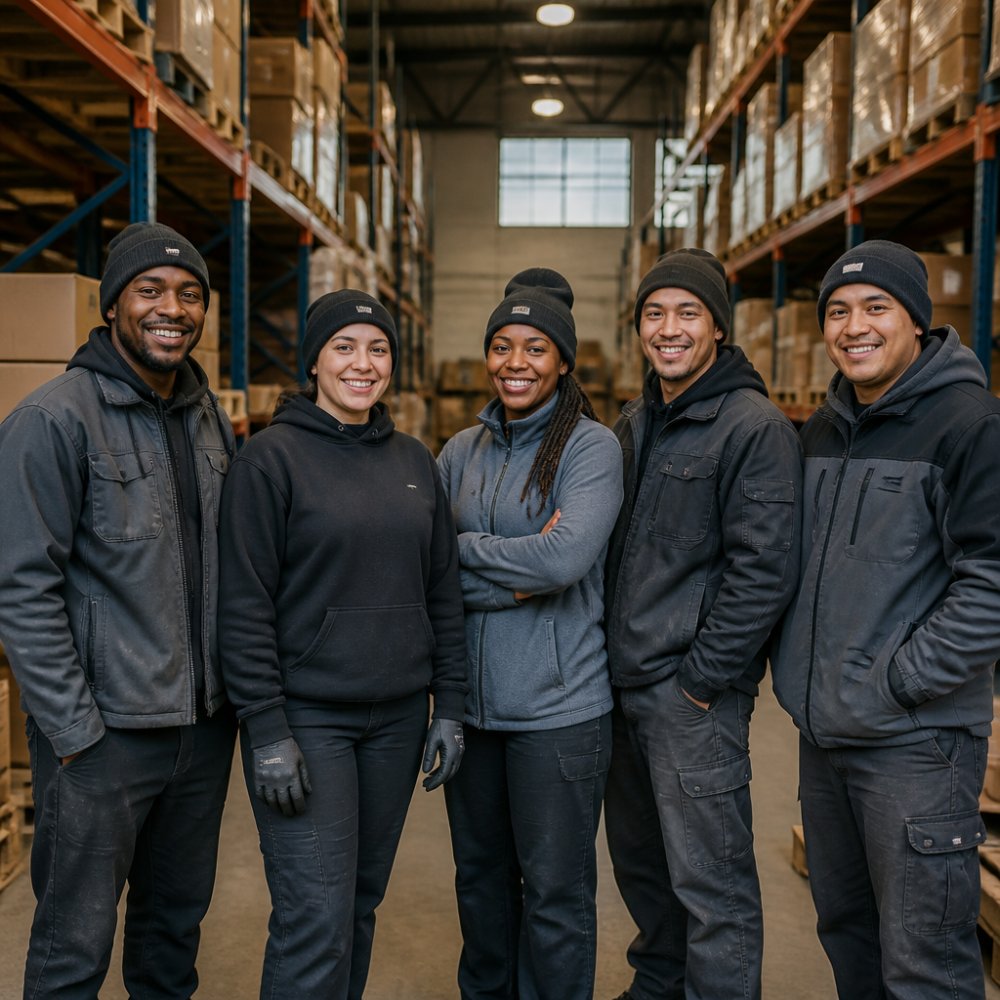
Performance gear for warehouse employees refers to workwear and supplements engineered specifically for the physical and mental demands of 10-12 hour warehouse shifts. Unlike casual clothing or generic supplements designed for gym workouts, this gear addresses the real challenges warehouse workers face: repetitive strain, extended standing, temperature fluctuations, fatigue, and joint stress.
True performance gear bridges both.
This guide covers the essential categories: high-visibility apparel that survives repeated washing, footwear with slip-resistant and puncture-resistant properties, ergonomic support gear that reduces injury risk, hydration and recovery supplements dosed for long shifts, and workwear built to last.
OSHA Warehouse Safety Requirements and Gear Selection
The Occupational Safety and Health Administration (OSHA) requires employers to provide a hazard-free workplace. For warehouses, this includes slip-resistant flooring, proper lighting, and PPE appropriate to the hazards present. OSHA's general warehouse safety guidelines outline employer responsibilities for preventing falls, struck-by incidents, and ergonomic injuries.
OSHA doesn't mandate comfort or durability beyond the minimum.
Essential PPE and High-Visibility Safety Requirements
High-visibility apparel and footwear are non-negotiable in warehouse environments. These items protect against the most common warehouse hazards: pedestrian-vehicle collisions and falls from slips or missteps.
High-visibility apparel and footwear standards
High-visibility clothing must meet ANSI/ISEA 107 standards in the United States. These standards define reflective material placement, color requirements (typically fluorescent yellow-green or orange), and minimum coverage areas. ANSI/ISEA 107 high-visibility standards specifies performance levels based on hazard severity.
Class 2 vests (minimum for most operations) cover the torso and arms; Class 3 extends to the legs for high-traffic areas or outdoor logistics yards.
Performance vests use color-locked dyes and industrial-grade reflective tape that maintain visibility through 50+ wash cycles. This means fewer replacements and consistent safety visibility for workers on 10-12 hour shifts.
Footwear must provide slip resistance and puncture protection. Slip-resistant soles use rubber compounds engineered for wet concrete; puncture-resistant midsoles protect against nails, broken glass, and metal shards.
Head-to-toe protection for warehouse floor hazards
In freezer operations, performance-grade thermal wear uses moisture-wicking fabrics that insulate while pulling sweat away from skin.
Head protection depends on warehouse layout: low-ceiling racks require hard hats; high-ceiling facilities require caps or beanies for visibility and sweat management. A cap with a reflective strip makes workers visible to forklift operators.
| PPE Category | Primary Hazard | Performance Feature | Compliance Standard |
|---|---|---|---|
| High-visibility vest | Pedestrian-vehicle collision | Color-locked dyes, industrial reflective tape | ANSI/ISEA 107 Class 2 |
| Slip-resistant footwear | Falls from wet floors | Engineered rubber compounds | ASTM F1679 |
| Thermal layers | Cold stress in freezers | Moisture-wicking, thermal insulation | General comfort standard |
| Hard hat | Head impact | Lightweight composite shells | ANSI Z89.1 |
Ergonomic Safety Gear for Warehouse Workers: Fit, Support, and Durability
Ergonomic gear prevents injuries from repetitive work: lower back pain, shoulder strain, and knee stress are leading causes of warehouse worker injury. The right gear reduces these risks significantly.
Gender-specific fit and sizing considerations
Men and women have different torso lengths, shoulder widths, and weight distributions. Gear fitting one frame may not suit another.
Performance fabrics: moisture-wicking, abrasion-resistant, and thermal insulation
The fabric matters as much as the cut. Performance fabrics wick moisture away from skin, keeping workers dry during high-intensity picking or packing.
Performance fabrics use polyester-cotton blends with tight weaves that resist tearing and pilling.
Performance-grade gear with double-needle stitching and reinforced seams lasts 50+ washes, translating to fewer replacements and lower total cost.
High-Performance Supplements for Shift Workers: Hydration, Energy, and Recovery
Warehouse work depletes energy and fluids rapidly: 8-10 hour shifts in warm environments result in 2-3 liters of fluid loss. Performance supplements maintain steady energy and support recovery.
Hydration and electrolyte balance for sustained performance
Dehydration impairs decision-making and increases injury risk. Water alone is insufficient during high-exertion shifts; electrolytes help the body absorb and retain fluid.
XGRITX Hydration Formula provides 500 mg of potassium and 195 mg of sodium per serving, plus B vitamins for energy metabolism and vitamin C for immune support, supporting sustained hydration across a full shift.
Pallet Jack Certified — Zero Horsepower →

Protein and recovery support for heavy-lifting demands
Heavy lifting creates micro-tears requiring protein for repair.
XGRITX Prime Build Whey Protein delivers 24 g of protein per serving with BCAAs and digestive enzymes, providing the protein foundation for overnight recovery.
Joint care and creatine for endurance during repetitive work
Repetitive motion stresses joints. Joint care supplements containing glucosamine sulfate support cartilage health and reduce inflammation.
XGRITX Flex Force Joint Care Gummies provide 160 mg of glucosamine sulfate and 6.75 mg of vitamin E per serving. Glucosamine supports joint lubrication and cartilage repair. Vitamin E provides antioxidant support.
Creatine monohydrate supports muscular endurance during sustained physical work. It increases ATP availability, the energy currency in muscle cells. XGRITX Horsepower Creatine Monohydrate provides 5 g per serving, the evidence-based dose for endurance support.
XGRITX Performance Gear for Warehouse Employees: Workwear That Lasts
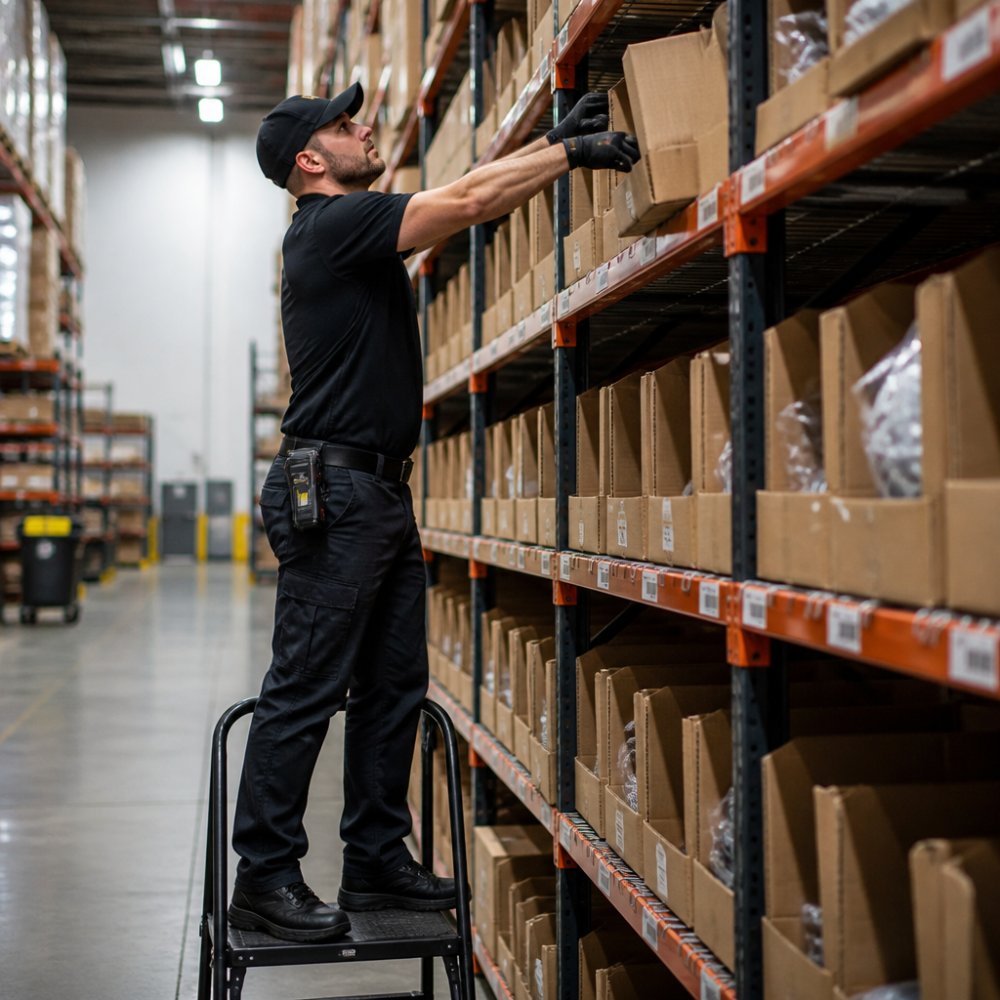
XGRITX workwear is built specifically for warehouse environments. Every piece is designed to survive repeated industrial washing, maintain fit through a full shift, and provide the comfort that keeps workers protected.
Graphic tees built for the warehouse floor
The Warehouse Strong T-Shirt represents the standard for warehouse workwear. Made from 100% ring-spun US cotton with a garment-dyed finish, it starts soft and maintains that comfort through 50+ wash cycles. The heavyweight 6.1 oz fabric resists tearing and pilling. Double-needle stitching on all seams prevents unraveling, and the tubular knit construction holds its shape.

The relaxed unisex fit accommodates different body types. Sizes run from S to 4XL, with measurements provided so workers can choose the right fit. The sewn-in label prevents neck irritation during long shifts. Available in multiple colors, it's practical workwear that doesn't sacrifice durability for style.
At $33.99, the value becomes clear after 30 washes. This shirt still looks new.
The Pallet Jack Certified T-Shirt and Forklift Certified Barely shirt offer the same construction with humor that resonates with warehouse crews. These aren't just apparel; they're identity wear that builds team culture while delivering durability.
Hats and accessories designed for comfort during long shifts
The Still Not Retrained Foam Trucker Hat uses a structured five-panel design with a laminated foam front that holds its shape. The mesh back provides airflow in warm warehouse environments. The pre-curved visor is stitched with eight rows of reinforcement, preventing collapse after months of wear. An adjustable snap closure fits head circumferences from 21.6 to 23.6 inches, accommodating most workers.
At $29.99, it's an affordable way to add visibility and sun protection. The foam front accepts DTF (direct-to-film) printing.
The Reach Truck Boss Embroidered Hat steps up the durability. Embroidery, not printing, means the design survives 100+ wash cycles without fading or cracking.
Building Your Complete Performance Gear Setup: Sustainability and Seasonal Transitions
A complete performance gear setup addresses the full range of warehouse hazards and seasonal changes. The approach that works: start with high-visibility base layers, add ergonomic support where needed, include footwear appropriate to the environment, and supplement with recovery products matched to your shift length.
Frequently Asked Questions
What PPE is required for warehouse employees under OSHA standards?
OSHA requires warehouse workers to wear personal protective equipment based on hazard assessment. Essential gear includes high-visibility apparel (vests or shirts meeting ANSI standards), steel-toe or composite-toe safety boots with slip-resistant soles, and hard hats in areas with overhead hazards. Gloves, eye protection, and hearing protection may be required depending on specific tasks. Employers must provide this equipment at no cost to workers and ensure proper fit and training.
How does performance gear for warehouse employees reduce fatigue during long shifts?
Performance gear reduces fatigue through moisture-wicking fabrics that regulate body temperature. Combined with high-performance supplements like electrolyte hydration formulas ($29.97 for 60 servings) and protein support, workers maintain energy and hydration throughout 10-12 hour shifts. Proper footwear with arch support and cushioning also reduces foot and leg fatigue that compounds over time.
What makes ergonomic safety gear for warehouse workers different from standard workwear?
Ergonomic safety gear is engineered for the specific demands of warehouse work: repetitive lifting, long standing periods, and fast-paced environments. It features reinforced stress points and moisture-wicking fabrics for temperature regulation. Standard workwear lacks these performance features and doesn't address joint support, thermal management, or durability under warehouse floor hazards.
Are high-performance supplements for shift workers actually worth the cost compared to coffee and energy drinks?
High-performance supplements formulated for shift workers deliver sustained energy without the crash typical of caffeine-only drinks. XGRITX Hydration Formula ($29.97) provides 60 servings of electrolytes and B-vitamins dosed for 12-hour shifts, while protein supplements ($59.97) support muscle recovery from heavy lifting. Unlike energy drinks, these products are lab-tested with published Certificates of Analysis, contain no proprietary blends, and cost significantly less per serving over time.
Do warehouse performance gear and supplements need to be drug-test safe?
Yes, many warehouse and construction employers conduct regular drug testing. XGRITX supplements are formulated to be drug-test safe and contain no banned substances. All products are lab-tested with published Certificates of Analysis and batch-verified for transparency. Workers in regulated industries should always review product labels and consult their employer's testing policy, but XGRITX's full-transparency approach eliminates proprietary blends that could mask unknown ingredients.